

The Best 3 Bone Conduction Headphones of 2025
- Last updated - Yesterday

Simon Moore
Simon is head of Audio & Visual at UK Consumer Experts. His experience spans over 3 decades and has worked as a sound technician for major events & concerts across the United States.
Do you want to enjoy music while staying aware of your surroundings?
Are you looking for comfortable headphones that won’t irritate your ears during long listening sessions?
Do you need a audio solution that’s perfect for sports and outdoor activities?
If you answered ‘yes’ to any of these questions, you’re in the right place. We’ve meticulously tested the leading bone conduction headphones from AfterShokz, Shokz, Mojawa, and other top brands available at major retailers like Currys, Amazon, and Argos.
Our testing uncovered impressive advancements in bone conduction technology, with one model that truly stood out from the rest. These headphones surpassed our expectations, challenging what we thought possible in open-ear audio experiences.
The highest-rated pair comes from a company known for pushing the boundaries of audio innovation. Their cutting-edge approach has produced bone conduction headphones that excel in sound quality, comfort, and durability.
Continue reading to explore our comprehensive comparison of the best bone conduction headphones on the market. Find out which model topped our list and why it might be the perfect solution for those seeking a unique and versatile listening experience.
You Should Look For Bone Conduction Headphones with :
Optimized Sound Transmission: Clearer Audio Through the Bones
Not all bone conduction headphones deliver the same quality. The way vibrations are transmitted through the cheekbones makes a huge difference.
If the transducers aren’t designed to handle a full range of frequencies — from deep bass to crisp highs — you’ll end up with flat, muffled sound.
Advanced Motion Sensors: Guarantee of Stable Audio While Moving
Top-tier models use gyroscopic or motion sensors to adjust vibration intensity in real time.
Whether you’re jogging, cycling, or working out, these sensors ensure sound stays clear without distortion or dropouts.
Safe Listening with Open-Ear Design: Hear the World Around You
Bone conduction technology allows you to stay aware of traffic, conversations, and ambient sounds — a huge safety advantage compared to in-ear headphones.
This is especially useful for outdoor athletes and commuters.
Auto-Pairing & Adaptive Fit: Effortless, Secure Use
Premium models feature automatic Bluetooth pairing and ergonomic memory-flex frames that conform to your head shape.
That means you can enjoy uninterrupted music without constantly adjusting or reconnecting your device.
You Should Avoid Bone Conduction Headphones with :
No App or EQ Control
Bone conduction headphones without app or equalizer support usually offer only basic sound output and lack customization.
Without an app, you can’t fine-tune bass, treble, or call settings — meaning you’re stuck with whatever factory sound profile is provided.
It doesn’t add much cost for manufacturers to include Bluetooth app support, and it makes a huge difference in convenience and performance.
No Waterproof or Sweat-Resistant Rating (Risk of Damage During Workouts)
Avoid models that lack at least an IP55 waterproof rating.
Bone conduction headphones rest directly on your skin — sweat, rain, and moisture can easily affect performance or cause internal corrosion over time.
Weak Battery Life (Below 6 Hours of Playback)
Any headphone offering less than 6 hours of playback per charge is not suitable for daily or sports use.
Look for models with at least 8–10 hours and quick charging capability for reliable all-day use.
High Vibration or Sound Leakage (Poor Privacy & Comfort)
Cheaper bone conduction designs tend to vibrate excessively at higher volumes and leak sound that others nearby can hear.
This can be distracting during workouts or public commutes and indicates poor transducer and frame engineering.
We evaluated Bone Conduction Headphones based on these 7 criteria
- Sound Quality & Vibration Clarity
- Comfort & Fit
- Build Quality & Materials
- Connectivity & App Features
- Noise Leakage Control
- Ease of Use & Controls
- Battery Life & Charging Speed
- Battery life
The 3 Best Bone Conduction Headphones for 2025
In the past three months, we tested 21 different Bone Conduction Headphones. Based on our expert opinions and thousands of consumer reviews, the following Three models are the best:

1.SHOKZ
Our Rating
Price
Pros
- Conquer water adventures confidently.
- Enhance safety with open-ear design.
- Switch effortlessly between modes.
Cons
- Limited Bass Depth
- Slight Sound Leakage
- Reduced Audio Immersion
Review
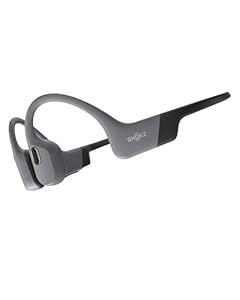
In second place, we have a pair of bone conduction headphones from one of the most recognized brands in the category — Shokz. Known for pioneering bone conduction technology, Shokz continues to impress with solid build quality, ergonomic design, and dependable performance across all their models.
The Shokz model we tested offers excellent sound clarity for open-ear headphones. The dual transducer system delivers clean mids and highs with decent bass response, while the PremiumPitch™ 2.0+ technology enhances depth and balance. The open-ear design ensures situational awareness, making it ideal for runners, cyclists, and commuters who value safety without compromising on sound quality.
Comfort is another standout factor. The titanium frame provides a secure yet lightweight fit, even during long sessions. Users who frequently wear helmets or glasses will appreciate how well these headphones sit without adding pressure or discomfort.
However, despite its strong performance, the Shokz didn’t quite take the top spot due to a few drawbacks. Its price remains on the higher end compared to other bone conduction options, and while sound quality is impressive, bass depth is still limited by the nature of bone conduction technology. Additionally, the 8-hour battery life—while decent—falls short of newer competitors offering 10 hours or more.
Still, the Shokz remains an exceptionally well-built and reliable choice, ideal for those who prioritize comfort, safety, and brand trust. It’s a refined product that performs consistently well, earning it a well-deserved second place in our ranking.

2. SANOTO Bone Conduction Headphones
Our Rating
Price
Pros
- Enjoy comfort with open-ear design
- Stay secure during intense activities
- Benefit from 10-hour playtime
Cons
- Reduced Audio Immersion
- Mild Tickling Sensation
- Low cost-performance
- Long-term reliability concerns
Review
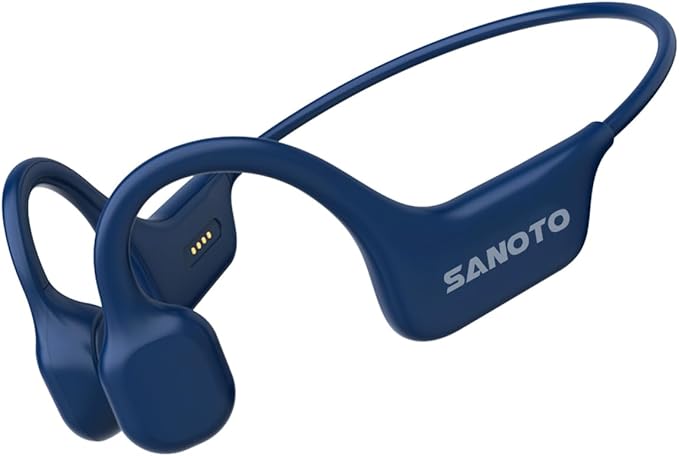
In third place, we have SANOTO, a brand best known for its innovative waterproof bone conduction headphones designed for swimmers and outdoor athletes. The model we tested stood out for its excellent underwater performance and impressive build durability, proving that H2O Audio continues to lead in aquatic sound innovation.
We were especially impressed by the clarity and consistency of sound transmission underwater — something very few competitors manage to achieve. The tight, hydrodynamic frame ensures minimal drag while swimming, and the secure open-ear fit stays perfectly in place even during vigorous strokes. It’s clear that SANOTO engineered this model with professional swimmers and triathletes in mind.
However, while it excels in its specialized environment, there are a few trade-offs. The battery life is limited, lasting around 6–7 hours before needing a full recharge of roughly 2 hours, which might not suit those wanting all-day listening. Storage capacity is also modest, with built-in MP3 support for offline playback but no integrated Bluetooth streaming underwater, meaning users must pre-load music before diving in.
Additionally, we found the controls less intuitive than competitors like Shokz — buttons can be hard to press with wet hands or while wearing gloves. And though the waterproofing is excellent, the sound quality outside of water doesn’t quite match top-tier open-air models.
Overall, SANOTO bone conduction headphones are a niche but powerful product — perfect for swimmers, divers, and endurance athletes who need reliable underwater sound. While not the fastest or most versatile option for everyday use, they earn a strong third-place ranking for their unmatched aquatic performance and specialized design.

3. SHOKZ OpenSwim
Our Rating
Price
Pros
- Customize with sleek design
- Experience IP67 waterproof durability
- Relish superior sound quality
Cons
- Limited Call Clarity in Windy Conditions
- Fit May Vary by Head Shape
- Charging Cable Specificity
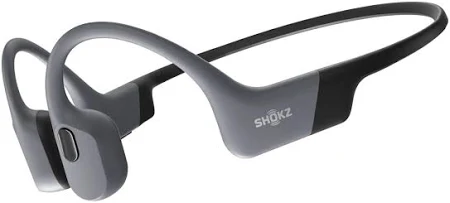
We’ve seen plenty of bone conduction headphones designed for land use — but the Shokz OpenSwim stands out as one of the few made specifically for swimmers and aquatic athletes. Its streamlined, wraparound design allows for a secure fit in the water, while its open-ear bone conduction technology lets you enjoy music underwater without blocking your ears or needing traditional earbuds.
One of the most distinctive aspects of the OpenSwim is its hydrodynamic triangular frame, which hugs the contours of the head and minimizes drag. The compact form factor keeps it stable during flip turns and vigorous swimming sessions, making it ideal for pool training and open-water workouts.
However, there are some notable limitations. Like many users have reported in app reviews, the companion software can be unreliable — particularly when transferring music files. The OpenSwim relies on built-in MP3 storage rather than Bluetooth streaming, which means users must pre-load songs manually via USB connection. While this ensures uninterrupted playback underwater, it can feel outdated compared to Bluetooth-enabled models.
We also noticed that button controls can be inconsistent when wet, sometimes requiring multiple presses to respond. The 8-hour battery life is decent but not exceptional, and there’s no quick-charge function. Additionally, the sound quality above water is noticeably less dynamic than Shokz’s land-based models like the OpenRun Pro.
Overall, the Shokz OpenSwim is a specialized performer — a dedicated aquatic headset for swimmers who want reliable underwater playback and freedom from earbuds. It’s an impressive niche device, but its lack of Bluetooth, app instability, and limited flexibility keep it from being a true all-rounder.

Over 230,000+
How do we rate?
This score is based on four key metrics – extensive testing, utility level, customer feedback, and brand reputation. We set extraordinarily high testing standards for our readers, so you can have complete confidence in our recommendations.